
Changlaishun Changlaishun

What Is a Modified Tractor and How Does It Work?

Time:2026-09-16 Author:Aria
0%

A Modified Tractor is a standard agricultural machine adapted for a specific task, terrain, or operator need. Changes may include wider tires, reinforced attachments, upgraded hydraulics, improved lighting, or a redesigned cab. Some tractors receive simple adjustments, while others undergo extensive engineering work. The term is not perfectly precise. Its meaning depends on the machine’s original design and the changes made.

Understanding how a Modified Tractor works begins with its powertrain. The engine creates power, and the transmission controls how that power reaches the wheels or tracks. Hydraulic pumps direct pressurized fluid to loaders, blades, drills, or other equipment. A modification can change this balance. Larger tires may improve ground clearance, but they can also affect stability and steering. Extra hydraulic capacity can increase lifting performance, yet it may create heat and wear if the system lacks suitable cooling.

Reliable modifications should follow manufacturer specifications, professional engineering advice, and local equipment requirements. Experienced operators inspect welds, hydraulic lines, braking systems, and protective structures before field use. A practical test on firm ground can reveal problems that a workshop inspection misses. Small details matter. A loose hose can become a serious hazard.

Not every modification improves performance. Some increase maintenance costs or reduce visibility. This is where careful judgment matters. This article explains common tractor modifications, their working principles, advantages, limitations, and inspection considerations. It also asks an important question: does the change solve a real operating problem, or simply make the machine look more capable?
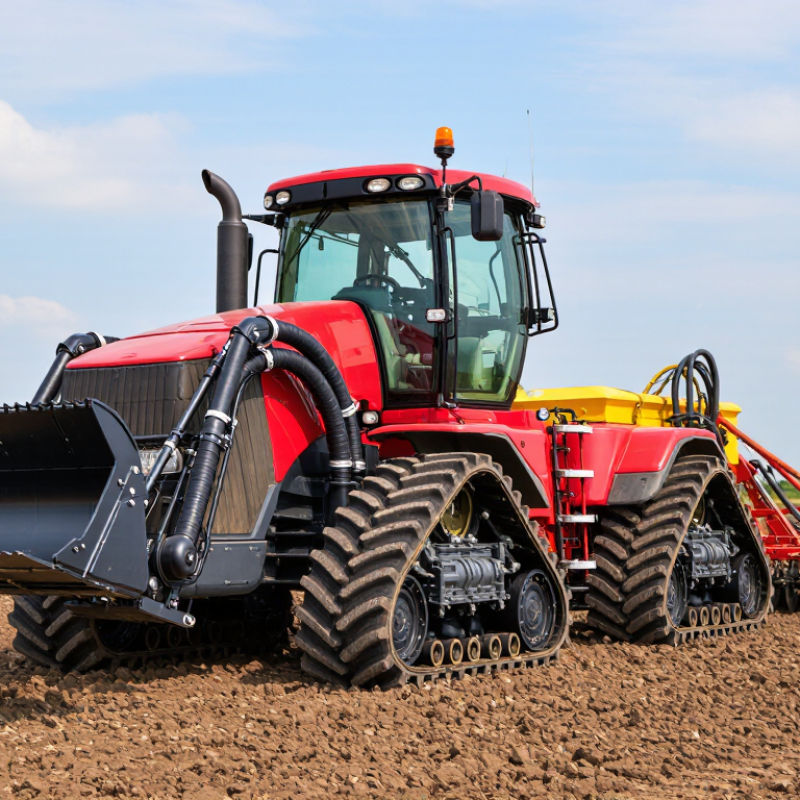
What Is a Modified Tractor and How Does It Work?

Definition and Core Characteristics of a Modified Tractor

A modified tractor is an agricultural tractor adapted for a specific task, terrain, or working condition. Its original structure remains recognizable, but key systems may be changed. These systems can include the engine, transmission, tires, hydraulic equipment, lighting, or protective frame. The purpose is practical: improve traction, stability, ground clearance, lifting ability, or operator comfort.

In field work, a modified tractor works by matching its power delivery to a demanding job. Wider tires can reduce soil pressure on soft ground. Added ballast may improve grip, but it can also increase compaction. Hydraulic attachments use pressurized fluid to lift, pull, or position equipment. A lower gear range helps maintain steady force on slopes. From hands-on maintenance experience, small changes often affect several systems. A larger implement may overload the cooling system or transmission. That detail is easy to miss.

Tips: Define the tractor’s main duty before changing anything. Check the axle, hydraulic capacity, braking system, and rollover protection. Keep modification records, including part specifications and service dates. Test the tractor slowly on level ground before working under load. Watch for unusual vibration, heat, or steering resistance. A professional inspection is wise when structural parts change. Some modifications seem useful but reduce visibility or balance. Reconsider them.

Main Reasons for Modifying Agricultural Tractors

What Is a Modified Tractor and How Does It Work?

Main Reasons for Modifying Agricultural Tractors

A modified tractor is a standard machine adapted for a specific farm task. Changes may include wider tires, added hydraulic outlets, improved lighting, or precision-control equipment. The goal is practical: reduce wasted passes, protect soil, or operate safely in unusual field conditions. USDA farm-management reports repeatedly identify labor efficiency and machinery utilization as major cost concerns. A small adjustment can matter during a narrow planting window.

Many farmers modify tractors to match changing field demands. Low-pressure tires can reduce soil compaction, especially after rain. Extra ballast may improve traction, but excessive weight increases fuel use and rutting. Guidance systems can keep working lines more consistent. The USDA’s 2022 Census of Agriculture recorded millions of tractors operating across American farms, showing how widely these machines support production. FAO reports that agriculture uses about 70% of global freshwater withdrawals. That figure explains why some tractors receive equipment for precise irrigation, pumping, or conservation work. The connection is not always perfect.

Tips: Check the tractor’s load limits before adding attachments. Measure tire pressure in the field, not only in the workshop. Follow ASABE machinery-safety guidance, and document every modification. A simple service log can reveal rising fuel consumption or uneven wear before failure occurs.

Comfort also drives modification. Suspended seats, improved controls, and better visibility can reduce fatigue during long shifts. Yet a homemade change may create vibration, poor balance, or blocked access. Professional inspection is worth the time. Some modifications look efficient but perform poorly under real field conditions.

Key Components and Systems Commonly Changed

A modified tractor is a standard agricultural machine changed for a specific task, terrain, or workload. Some changes are simple. Others affect several systems at once. In field maintenance, the safest modifications begin with a clear performance problem, not appearance. A technician should record the tractor’s original settings before changing anything. This makes testing and troubleshooting more reliable.

The engine system may receive revised air intake, cooling, or fuel management components. These changes can improve response, but extra power also increases heat and mechanical stress. Transmission settings are often adjusted for slower pulling work or faster transport. Hydraulic systems commonly receive different pumps, valves, hoses, or attachments. Correct pressure matters. Too much pressure can damage seals, implements, or control components. Stronger tires, wider tread, and added ballast may improve traction on soft ground. However, excessive weight can compact soil and strain axles.

Electrical upgrades may support additional lights, monitoring equipment, or control devices. Wiring should be protected from vibration, moisture, and sharp metal edges. Braking, steering, rollover protection, and operator visibility should never be treated as optional upgrades. A modification that looks effective in the workshop may behave differently on a slope. Testing should begin at low speed and under light loads. I have found that performance gains are sometimes smaller than expected. Careful measurements often reveal the better solution: a modest adjustment, regular inspections, and fewer unnecessary parts.

How a Modified Tractor Operates in Practice

A modified tractor is a standard agricultural tractor adapted for a specific task. Changes may include wider tires, added ballast, reinforced attachments, or upgraded hydraulic controls. Each alteration affects the machine’s balance and handling. A heavier rear implement can improve traction. It can also reduce steering response.

In practice, the operator begins with a visual inspection. Loose bolts, leaking hydraulic lines, and damaged tires need attention. The engine starts at low idle, allowing the hydraulic oil to warm gradually. Then the operator tests the lift system and attachment controls. Movement should remain smooth. Sudden jerks often indicate trapped air, excessive pressure, or worn components.

During fieldwork, engine speed stays within the attachment’s recommended range. The transmission is set to a low gear on slopes or uneven ground. Ballast keeps the tractor stable, but excessive weight increases soil compaction. That trade-off is easy to overlook. Turning with a raised implement can shift the center of gravity quickly. Experienced operators lower the attachment before sharp turns and keep both hands near the controls. They also stop when visibility becomes poor, rather than relying on guesswork. No modification is perfect. A setup that works well in dry soil may perform poorly in mud, so operators should record changes and adjust cautiously.

What Is a Modified Tractor and How Does It Work? - How a Modified Tractor Operates in Practice

Tractor System Typical Modification How It Operates in Practice Typical Technical Data Primary Operating Benefit
Engine and Powertrain Engine remapping, turbocharger adjustment, or upgraded cooling components The engine produces a revised torque and power output, while the cooling system removes additional heat generated under heavier loads. Common utility tractor power range: approximately 40–180 hp; rated engine speed commonly falls between 1,800 and 2,500 rpm. Improved pulling capability and better performance when operating demanding implements.
Hydraulic System Higher-capacity hydraulic pump, larger oil reservoir, or auxiliary hydraulic circuit Hydraulic oil is pressurized and directed to cylinders or hydraulic motors that control loaders, blades, steering systems, or specialized attachments. Typical working pressure: about 150–220 bar; flow capacity often ranges from 40–150 L/min, depending on tractor size. Faster attachment movement and compatibility with hydraulic tools requiring greater flow.
Three-Point Hitch Reinforced lift arms, stabilizers, adjustable top link, or increased lift capacity The hitch transfers implement weight to the tractor and allows the operator to control working depth and implement position. Common lift capacities range from approximately 1,000 to 8,000 kg measured at the hitch, depending on tractor class. More stable operation with heavier or wider mounted implements.
Power Take-Off Independent PTO controls, speed selection changes, or a reinforced PTO shaft The PTO transfers rotating power from the tractor engine to equipment such as mowers, balers, pumps, and tillers. Common PTO speeds include 540 rpm and 1,000 rpm; some systems also support engine-speed-related economy settings. Efficient operation of implements at the speed specified by the attachment manufacturer.
Transmission Additional gear ratios, creeper gears, shuttle control, or heavier-duty clutch components The transmission converts engine speed and torque into the ground speed required for field work, transport, or precision operations. Low working speeds may be below 1 km/h, while transport speeds commonly reach approximately 25–40 km/h. More precise speed control and smoother changes between forward and reverse travel.
Chassis and Counterweight Frame reinforcement, front ballast, rear ballast, or a revised weight distribution Additional structural support and ballast help keep the tractor stable when carrying a front loader or pulling a heavy implement. Ballast is selected according to axle limits, tire capacity, implement weight, and the tractor manufacturer’s safety specifications. Reduced wheel lift, improved traction, and better balance under load.
Tires and Traction Wider agricultural tires, row-crop tires, forestry tires, or tire-pressure adjustment Tire tread transfers engine torque to the ground while the contact area and inflation pressure influence traction and soil pressure. Inflation pressure commonly varies from about 0.8–2.4 bar, depending on tire construction, load, and field or road use. Better grip in soil conditions and reduced wheel slip when correctly matched to the task.
Steering and Axles Front-axle reinforcement, increased steering angle, or auxiliary steering assistance The steering system changes the direction of the front wheels or articulated frame while the axle accommodates uneven terrain. Typical steering lock and turning radius vary by design; four-wheel-drive tractors generally use front-axle drive assistance for traction. Improved maneuverability and control when working in confined areas or uneven fields.
Operator Protection Roll-over protective structure, falling-object protection, lighting, mirrors, or improved seat suspension Protective structures maintain a survival space during a rollover, while visibility and ergonomic improvements help the operator control the tractor safely. Protective structures must be compatible with the tractor and installed according to applicable safety requirements. Greater operator protection, visibility, and comfort during extended work periods.
Electronic Controls Digital monitoring, automatic guidance, implement control, or sensor-based engine management Sensors collect information such as engine speed, hydraulic pressure, position, and wheel movement; the control system uses this data to adjust operation. Common monitored parameters include engine rpm, coolant temperature, fuel level, hydraulic temperature, and PTO speed. More consistent field performance, easier troubleshooting, and improved operating precision.
Typical Operating Sequence Integrated use of modified systems with a matched implement The operator checks fluid levels and safety equipment, selects the correct gear and PTO speed, attaches the implement, adjusts ballast and tire pressure, then operates within rated limits. Performance depends on tractor power, implement width, soil condition, slope, ballast, tire setup, and hydraulic requirements. Safe and effective operation without exceeding engine, axle, hydraulic, PTO, or implement limits.

Technical values are representative ranges for modified agricultural tractors. Actual limits must be confirmed from the tractor, component, tire, hydraulic, and implement specifications before operation.

Safety, Maintenance, and Legal Considerations

What Is a Modified Tractor and How Does It Work?

A modified tractor is a standard agricultural machine changed for a specific task. Owners may add wider tires, extra ballast, reinforced attachments, hydraulic upgrades, or protective frames. These changes alter how the tractor distributes weight and transfers power. For example, added rear ballast can improve traction, but it may increase braking distance and axle stress. A stronger hydraulic attachment can lift heavier loads, yet it may exceed the system’s rated capacity. The tractor may work better, but not always more safely.

Safety depends on careful engineering and disciplined operation. Check stability on slopes, especially after changing tire width or mounting height. Keep guards, lights, rollover protection, and seat belts functional. Never treat a modified tractor like an unchanged machine. Maintenance should include hydraulic hoses, fasteners, brakes, steering joints, tire pressure, and fluid leaks. Record inspections and replace damaged parts promptly. Small defects grow quickly under heavy loads. I have found that simple visual checks are useful, but they can miss internal wear. A qualified technician should inspect major structural or hydraulic changes.

Tips: Read the tractor’s technical manual before modifying it. Keep every load within the rated limit. Test new equipment slowly on firm, empty ground. Avoid carrying passengers unless the tractor is designed for them. Before road use, check local rules for registration, lighting, width, mirrors, speed, noise, and emissions. Requirements vary by location and modification type. Ask an authorized inspection office when uncertain. Good paperwork protects the operator, owner, and other road users.

What Is a Modified Tractor and How Does It Work?

A modified tractor is an agricultural tractor that has been adapted with changes such as loaders, wider tires, ballast, altered implements, hydraulic equipment, or protective structures. These changes can improve performance, but they may also affect stability, braking, visibility, and legal compliance.

Typical maintenance intervals: Pre-operation inspections should be completed before every use. Wheel-lug torque is commonly rechecked after the first 10–50 operating hours following wheel or ballast changes. Engine oil, hydraulic fluid, air filters, and coolant are often serviced at intervals ranging from approximately 250 to 1,000 operating hours, depending on the tractor design, workload, environment, and operator manual.

After modification, verify the tractor’s center of gravity, rollover protective structure, seat belt, braking system, tire load rating, lighting, and road-use requirements. Always follow the specific maintenance schedule and legal rules applicable to the tractor.

FAQS

What is a modified tractor?

It is an agricultural tractor adapted for a specific task, terrain, or working condition. Its original structure remains recognizable.

Why do farmers modify tractors?

Modifications can improve traction, stability, ground clearance, lifting ability, visibility, or operator comfort. Small changes may save time.

Which parts are commonly modified?

Common changes include tires, ballast, hydraulic outlets, lighting, controls, protective frames, transmissions, and attachments.

Can wider tires improve field performance?

Wider or low-pressure tires can reduce soil pressure on soft ground. They may also reduce compaction after rain.

What risk comes with adding ballast?

Ballast can improve grip, especially on slopes. Too much weight increases fuel use, rutting, and soil compaction.

How should an operator test a modified tractor?

Inspect bolts, tires, hydraulic lines, brakes, and protective structures first. Start at low idle and warm the hydraulic oil.

What should happen before working under load?

Test the tractor slowly on level ground. Check lifting, steering, braking, and attachment movement before entering difficult terrain.

How do modifications affect tractor balance?

A heavy rear attachment may improve traction but reduce steering response. A raised implement can shift the center of gravity during turns.

What warning signs require stopping the tractor?

Stop for unusual vibration, excessive heat, steering resistance, leaks, jerky hydraulics, or poor visibility. Do not rely on guesswork.

Should every modification be professionally inspected?

Structural changes, protective-frame changes, and major hydraulic work deserve professional inspection. Homemade improvements can create problems. Reconsider them.

Conclusion

A Modified Tractor is an agricultural tractor that has been intentionally adapted from its original factory design to better meet specific farming, terrain, or work requirements. These changes may improve traction, ground clearance, engine performance, operator comfort, fuel efficiency, or the tractor’s ability to use specialized implements. Farmers may modify a tractor to handle muddy fields, steep land, heavy loads, narrow rows, or demanding seasonal tasks more effectively.

Common modifications can involve the tires, wheels, hydraulic system, engine controls, transmission, suspension, lighting, protective structures, and attachment points. In practice, the tractor operates by combining its original powertrain with these upgraded or adjusted systems, allowing power to be delivered more efficiently to the wheels and implements. However, every modification should be carefully planned. Regular inspections, proper maintenance, balanced settings, and operator training are essential for safe performance. Owners should also confirm that changes do not reduce stability, visibility, braking ability, or compliance with applicable equipment and road-use requirements.

Aria

Aria

Aria is a dedicated marketing professional with a deep passion for innovative strategies and a keen understanding of our company's product offerings. With a wealth of experience in the industry, Aria excels at crafting engaging content that highlights the unique features and benefits of our......