
Changlaishun
In the ever-evolving agricultural landscape, Tractor Chain technology plays a vital role. Farmers worldwide rely on high-quality chains for efficiency and durability. This demand has led to a rise in suppliers, especially from China.
Choosing the right Tractor Chain supplier is crucial for global buyers. Many suppliers claim to offer the best products, but how do you discern? Not all products meet the same quality standards. The market is vast, and finding reliable partners requires thorough research.
This article explores leading Tractor Chain suppliers in China. We will examine their strengths, weaknesses, and what sets them apart. Aspects like innovation and after-sales support will be key. Understanding these factors can help buyers make informed decisions.
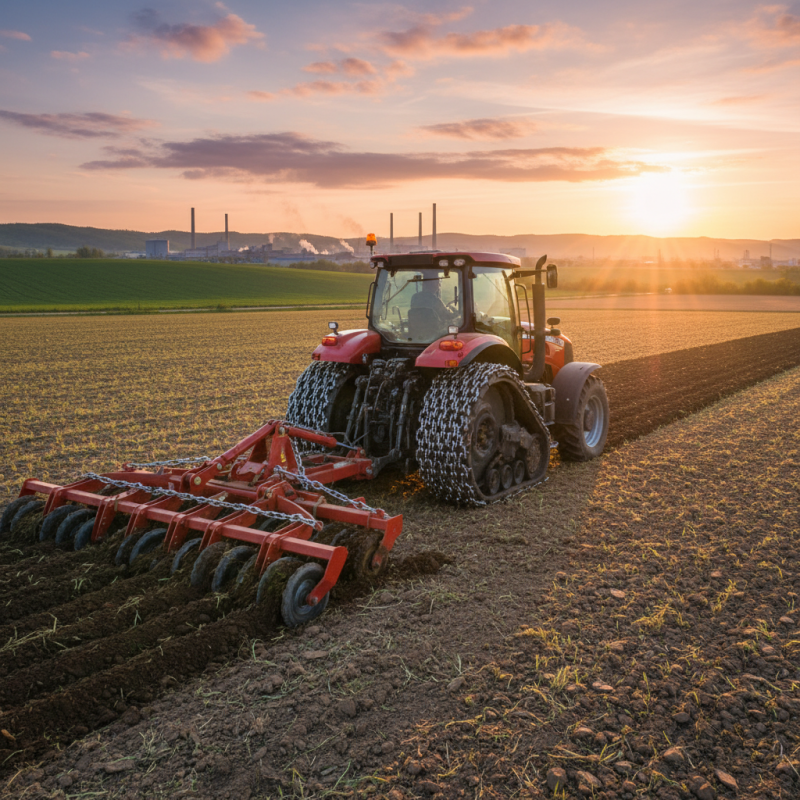
The tractor chain market in China showcases impressive growth and variety. In recent years, the market value has surged significantly, with estimates projecting a growth rate of 6.5% annually through 2025. Factors driving this growth include increased demand in agricultural mechanization and infrastructure development. Reliable data indicates that over 70% of agricultural machinery utilizes chains, highlighting their essential role.
China's dominance in the global tractor chain industry is undeniable. The country produces an extensive range of tractor chains, catering to both local and international markets. Industry reports reveal that manufacturers are advancing their technology, offering products that not only meet quality standards but also provide durability and efficiency. However, challenges still exist, such as maintaining quality control amid rapid production increases and meeting diverse global specifications.
Innovation is becoming a focus area for many Chinese suppliers. Research suggests that those investing in R&D are seeing faster market penetration. Some companies face hurdles in adapting to changing international regulations. This adaptation is crucial for remaining competitive. The ongoing enhancements in production processes and materials will determine future success in global supply chains.
The demand for tractor chains has been steadily rising globally due to several crucial factors. One prominent reason is the growth of the agricultural sector. Farmers are increasingly relying on advanced machinery to improve efficiency. A robust tractor chain is essential for optimal performance and productivity. As farming practices evolve, the need for durable and reliable equipment continues to grow.
Additionally, the expansion of logistics and transportation networks plays a vital role in this demand. Many industries utilize tractors for moving goods and materials. This increasing role in supply chains necessitates high-quality tractor chains that can withstand varying loads and conditions. Global buyers seek suppliers who can meet these requirements reliably.
However, there are challenges that need addressing. The market can be saturated with subpar options. Buyers must research suppliers carefully. Not every supplier can guarantee the same level of quality and service. Contending with these variables can be daunting. Stakeholders must be vigilant and discerning in their choices to ensure lasting partnerships.
When examining the landscape of tractor chain suppliers in China, it is essential to analyze their capabilities and product offerings. A recent industry report highlights that China's tractor chain market is projected to grow by 5.1% annually through 2025. This growth is fueled by increasing demand in agriculture and construction sectors worldwide.
Many suppliers specialize in various materials and designs, impacting performance and durability. For instance, a notable portion of these suppliers focuses on high-strength steel chains, essential for heavy-duty applications. According to industry data, over 70% of tractor chains produced in China meet international quality standards, reaffirming the country's commitment to delivering reliable products.
However, challenges remain. Some suppliers struggle with consistency in quality assurance, leading to variability in product performance. This inconsistency can cause shifts in buyer preferences. As global buyers evaluate suppliers, understanding these nuances is vital. Factors like manufacturing practices, material sourcing, and testing methods play significant roles in decision-making. Without this awareness, buyers may encounter difficulties in ensuring their chosen supplier meets operational needs effectively.
Chinese tractor chain manufacturers face significant challenges in the global market. One major concern is maintaining quality while keeping costs competitive. As production scales up, quality control can slip, leading to inconsistent products. This inconsistency can damage relationships with international buyers.
Another challenge is the rapid evolution of technology. Chinese manufacturers must invest in new machinery and training to keep up. Yet, funding for such advancements can be limited. Without modern equipment and skilled labor, staying competitive becomes difficult. Manufacturers often find it hard to balance innovation with established practices.
Trade regulations also complicate the landscape. Different countries have varied import standards. This forces manufacturers to navigate complex compliance issues. Failing to meet these standards can result in costly penalties. Moreover, market fluctuations can affect demand unpredictably. Global buyers may hesitate to commit long-term, affecting stability.
These factors underscore the need for adaptability in a challenging environment.
The tractor chain industry is witnessing transformative trends and innovations. With advancements in technology, suppliers are focusing on enhancing the durability and performance of their products. According to a recent industry report, the global tractor chain market is expected to grow at a CAGR of 5.3% from 2021 to 2026. This growth reflects an increasing demand for reliable agricultural machinery.
Sustainability is also becoming a crucial factor. Manufacturers are researching eco-friendly materials to produce chains that minimize environmental impact. Innovations in manufacturing processes have led to the introduction of lightweight materials that improve fuel efficiency. These changes align with global efforts to reduce carbon footprints in agriculture.
Tip: Always evaluate the supplier’s commitment to sustainability when selecting tractor chains. Quality and innovation play vital roles. Ensure that you choose suppliers who invest in research and development. This can significantly enhance the longevity of your equipment.
Emerging technologies like IoT are shaping the future of the industry. Smart tractor chains equipped with sensors can provide real-time data on wear and tear. This feature aids in predictive maintenance, reducing downtime for farmers. However, while these advancements are promising, challenges remain in integrating these technologies effectively. Addressing these issues will require collaboration among industry stakeholders.
| Supplier Type | Market Share (%) | Innovation Focus | Key Product Offerings | Export Regions |
|---|---|---|---|---|
| Manufacturers | 35 | Durability Enhancement | Heavy-duty chains, Custom chains | North America, Europe |
| Distributors | 25 | Smart Technology Integration | Standard tractor chains, OEM supplies | Asia, Africa |
| Importers | 15 | Eco-friendly Materials | Agricultural chains, Racing chains | South America, Oceania |
| OEM Partners | 25 | Precision Engineering | Custom-engineered solutions, Specialized chains | Global |
: The market is projected to grow by 6.5% annually through 2025.
Over 70% of agricultural machinery relies on chains for efficiency and productivity.
Suppliers investing in research and development are achieving faster market penetration.
Maintaining quality control is difficult amid rapid production increases and meeting diverse specifications.
The growth of the agricultural sector and the need for reliable machinery are key factors.
Tractors are essential for transporting goods, increasing the need for durable chains.
Buyers must research carefully to avoid subpar options and ensure quality.
Many suppliers specialize in high-strength steel chains for heavy-duty applications.
Some struggle with quality assurance, leading to inconsistent product performance.
It helps buyers ensure their chosen supplier meets their operational needs effectively.
The tractor chain market in China is experiencing significant growth, driven by increasing agricultural mechanization and rising demand for efficient farming equipment globally. Key factors propelling this demand include advancements in agricultural technology and the need for durable, high-performance tractor chains to enhance productivity in various farming operations.
However, Chinese tractor chain manufacturers face several challenges, such as stiff competition, fluctuating raw material costs, and the necessity for innovation to meet evolving market needs. As the industry moves forward, future trends indicate a focus on developing more robust and lightweight materials, alongside the integration of smart technology in tractor chains, which will help manufacturers maintain a competitive edge in the global market.
